Looking to sharpen your software engineering skills? On this page, you’ll find carefully curated reviews of the most influential books that have shaped modern software development practices.
Discover essential reads on clean code, design patterns, refactoring, and domain-driven design from renowned authors like Robert C. Martin, Martin Fowler, and Eric Evans. Whether you’re a seasoned developer or just beginning your journey, these books offer invaluable insights to help you write more maintainable, efficient, and elegant code. Each recommendation includes my personal assessment to guide you toward your next transformative read.
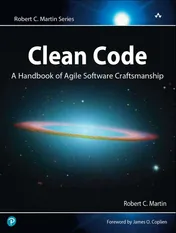
This classic book teaches developers how to write code that’s not just functional but easily readable and maintainable. It covers essential principles like meaningful naming, concise functions, and proper error handling through entertaining Java examples. Every developer should internalize these practices, though the concurrency chapter oversimplifies complex issues. The review recommends supplementing with “Java Concurrency in Practice” and adopting established code style guides rather than creating your own.
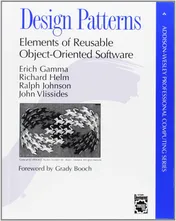
by Erich Gamma, Richard Helm, Ralph E. Johnson and John Vlissides
This 25-year-old classic describes the most relevant design patterns in great detail, though its academic style makes it challenging to read. Despite outdated code examples and no coverage of modern aspects like concurrency, every programmer should know and apply these 23 classic patterns. For those seeking a more practical approach, Dr. Heinz Kabutz’s online course is recommended.
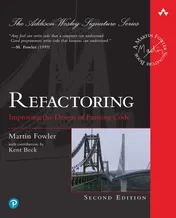
Martin Fowler’s classic book introduces refactoring and code smells to the broader developer community. The extensively updated second edition features a catalog of over 60 refactorings, illustrated with JavaScript examples instead of Java. While not light reading, it’s a timeless must-read for all developers – offering beginners an excellent introduction and teaching professionals new techniques or formalizing their intuitive practices.
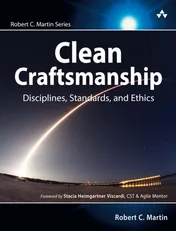
In “Clean Craftsmanship,” Uncle Bob Martin presents essential software development practices every professional should master. The book covers disciplines like TDD (which takes up nearly half the content), refactoring, and pair programming; standards for balancing productivity with quality; and ethical responsibilities to users, colleagues, and society. Like all of Martin’s works, it’s accessible, enriched with historical context and personal anecdotes, and highly recommended for developers.
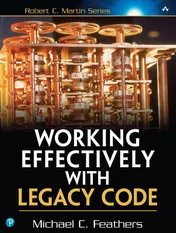
This book offers strategies for working with legacy code – systems without tests – by breaking dependencies to create testable code modules. Though 15 years old, with some outdated practices regarding interfaces, factory methods, and no coverage of multithreading, it remains valuable for programmers facing untested codebases. The formalized strategies and naming conventions improve team communication, but remember: there’s an exception to every rule!
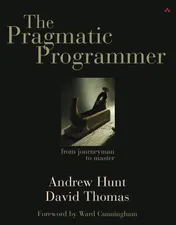
This book presents concentrated, practical programming knowledge with best practices and pitfalls from decades of experience. It focuses on creating high-quality, flexible, and maintainable code. Valuable for both beginners and experienced programmers, it offers structured knowledge that would otherwise take years to develop. With anecdotes, analogies, and practical exercises, it’s an essential read that balances expertise with accessibility.
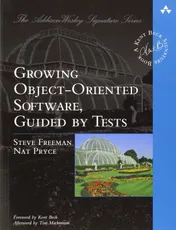
This practical guide to Test-Driven Development demonstrates how unit tests and mock objects create clean object-oriented designs with maintainable code. The authors, including jMock’s developer, walk you through implementing a Java auction system using TDD principles. Especially valuable for Java programmers, this book shows how tests naturally lead to more elegant designs – once you experience this approach, you’ll never want to develop without it.
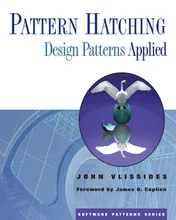
This approachable book by one of the original “Design Patterns” authors offers practical insights into the development process and clarifies common misunderstandings about patterns. It presents familiar patterns through real-world examples – a refreshing contrast to the academic style of the classic – along with pattern variations and two new designs. A pleasant, digestible companion to the original that enriches your pattern knowledge.
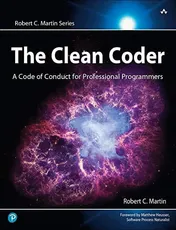
In “The Clean Coder,” Robert Martin shares essential insights on professional behavior for programmers beyond coding skills. Drawing from decades of experience, he offers practical advice on handling pressure, estimating effort, testing, and team interactions. While some opinions might be debatable and certain anecdotes feel dated, the book remains invaluable for anyone aspiring to software professionalism.
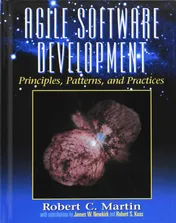
In this excellent book, “Uncle Bob” Martin explains core concepts of agile software development, Extreme Programming, and Test-First Design. He demonstrates how to write clean code through SOLID principles and design patterns, illustrated with three practical case studies in C++ and Java. Although from 2002, this highly recommended book offers valuable insights every programmer should study intensively.
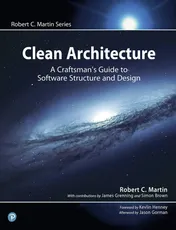
Uncle Bob’s “Clean Architecture” presents a software architecture approach where domain components are separated from technical implementation details, with dependencies flowing inward. The book covers design principles, practical examples, and entertaining industry anecdotes from the author’s career. It demonstrates how proper architecture allows software to adapt to changing requirements with minimal effort – essential knowledge for all software architects and programmers.
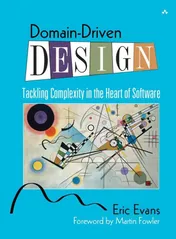
Eric Evans’ classic work presents a groundbreaking approach to software development centered on object-oriented domain modeling. The book advocates for close IT-business collaboration and establishing a “ubiquitous language” to eliminate misunderstandings. Through rich examples and technical concepts like entities, aggregates, and bounded contexts, it offers a systematic path from business requirements to implementation. Though challenging, this still-cutting-edge book rewards readers with a transformative perspective on software development.
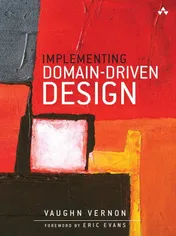
In “Implementing Domain-Driven Design,” Vaughn Vernon guides readers through DDD implementation with a fictional team, covering both strategic and tactical design alongside compatible architectures. The book demonstrates how mistakes and learning make DDD’s initial effort worthwhile. With practical Java examples, it serves as an excellent companion to Evans’ classic but stands on its own. Recommended for anyone wanting to successfully apply Domain-Driven Design in practice.
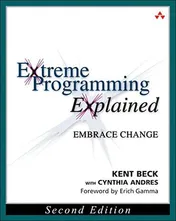
This landmark book introduced Extreme Programming (XP), a revolutionary methodology that transformed software development. What seems obvious today was groundbreaking in 1999, leading to better quality, reduced time and costs, and higher customer satisfaction. The book explains XP’s core values, principles, and practices like TDD and pair programming. It remains valuable as a historical document showing the origins of modern agile methods.
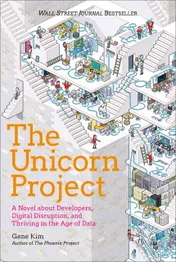
“The Unicorn Project” follows programmer Maxine as she navigates common development challenges after being transferred to the Phoenix project. She encounters a secret group called the “Rebellion” promoting modern software principles. Like its predecessor, the book entertainingly demonstrates what’s possible when traditional companies embrace digital transformation. It’s an accessible read that reunites readers with familiar characters while telling the story from a developer’s perspective.
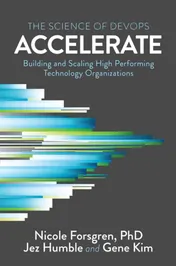
This book presents empirical evidence that agile practices significantly improve IT team performance, based on a three-year DevOps Survey conducted by the authors. Though well-structured but somewhat dry, the book focuses on scientific validation rather than describing the methods themselves. It’s particularly valuable for skeptical IT managers and programmers seeking data-backed arguments for agile transformation.
This concise, well-structured book explains hexagonal architecture principles and their advantages over traditional layered architecture. Tom Hombergs guides readers through implementing a Java application using entities, use cases, ports, and adapters. He demonstrates assembly methods, testing strategies, and modularization techniques. At just 138 pages, the book delivers exceptional value, balancing theoretical concepts with practical code examples throughout.
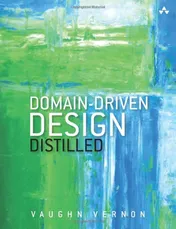
Vaughn Vernon’s “Domain-Driven Design Distilled” offers a concise 158-page introduction to essential DDD concepts, including a useful section on Event Storming. While ideal for beginners, domain experts, and managers seeking to establish a shared vocabulary, developers implementing DDD would benefit more from Vernon’s comprehensive “Implementing Domain-Driven Design” or Evans’ classic work.
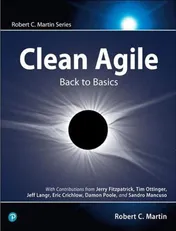
In “Clean Agile: Back to Basics,” Robert C. Martin (Uncle Bob) – one of the original creators of the Agile Manifesto – sets the record straight about what agile truly means. He contrasts the original values and principles with today’s often process-heavy implementations that neglect technical practices. Written in Uncle Bob’s characteristically casual and entertaining style, this historically rich, anecdote-filled book is essential reading for any programmer.
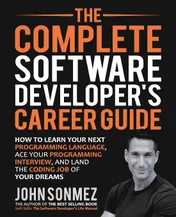
In “The Complete Software Developer’s Career Guide,” John Sonmez offers a comprehensive roadmap for developers at every career stage. You’ll discover practical advice on starting your career, finding jobs, choosing specializations, navigating workplace relationships, earning promotions, and continuous self-improvement. Written in an engaging, anecdote-rich style, this guide delivers valuable insights while remaining accessible and enjoyable.
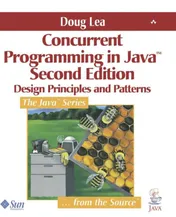
Though published in 1999, Doug Lea’s comprehensive guide to Java concurrency remains highly relevant today. The book covers essential principles and patterns that are foundational to thread-safe programming. While the academic writing style presents a challenging read requiring patience and concentration, mastering these concepts will significantly improve your coding skills, making you a sought-after Java programmer.
Joshua Bloch’s “Effective Java” presents 90 essential best practices for writing efficient, readable, and maintainable Java code. Aimed at experienced programmers, this comprehensive guide offers specific advice with clear code examples across 11 topics. While some practices may be familiar, others will elevate your skills. Every Java developer should read it entirely, then reference specific articles as needed. Ensure you get the current third edition.
“Bad Tests, Good Tests” by Tomek Kaczanowski offers an extensive analysis of common testing pitfalls with concrete examples and solutions. The book vividly demonstrates how to transform poor tests into effective ones, covering issues from readability to completely useless tests. Written in an accessible, humorous style, it serves both beginners looking to avoid common mistakes and experienced developers seeking to enhance their testing toolkit.
by Brian Goetz, Tim Peierls, Joshua Bloch, Joseph Bowbeer, David Holmes and Doug Lea
“Java Concurrency in Practice” by Brian Goetz and the JSR 166 expert team tackles the challenge of writing thread-safe applications with multi-core CPUs. The book covers fundamentals of concurrency from basics to advanced topics, with excellent real-world examples. Though complex, it explains the Java Memory Model exceptionally well and remains relevant despite being written for Java 6.
In “Soft Skills: The Software Developer’s Life Manual,” John Sonmez offers valuable insights on developing essential non-technical skills for programmers. The book covers career growth, self-marketing, productivity, financial planning, and health – all tailored specifically for software developers. If you’re looking for a programming book without code that focuses on your overall professional well-being, this refreshing read is worth your time.
This book offers programmers valuable guidance for professional success, covering both technical skill development and strategic career management. The author encourages developers to proactively shape their career trajectory, maintain motivation, and effectively market themselves professionally. With numerous practical recommendations, it serves as a roadmap for creating a remarkable career in software development.
Camille Fournier, formerly CTO of Rent the Runway, describes the technical leadership career one stage at a time: mentoring, tech lead, managing a team, managing multiple teams, managing managers, CTO. Every chapter gets specific – one-on-ones, onboarding, performance reviews, delegation, dysfunctional teams – and ends with questions about your own situation. Useful for anyone facing the choice between the technical and the management track.
Piotr Sarna and Cynthia Dunlop show how a technical topic turns into a blog post that other developers read and pass on. The book walks through the entire process – choosing a topic, drafting, revising, gathering feedback, publishing – and supplies seven patterns for engineering blog posts, from the “Bug Hunt” to “Benchmarks and Test Results.” Valuable for everyone who writes about their work, on a company blog or their own.
In “Scrum: The Art of Doing Twice the Work in Half the Time,” creator Jeff Sutherland explores the history, philosophy, and versatile applications of Scrum beyond software development. The book offers entertaining case studies and emphasizes how team satisfaction impacts productivity. Despite the author’s tendency toward self-aggrandizement, it’s recommended for readers interested in understanding the “why” behind Scrum, not just the “how”.
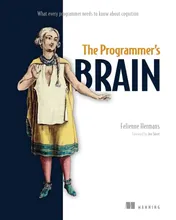
In “The Programmer’s Brain,” Professor Felienne Hermans explains how our brain functions during programming tasks, exploring memory systems and cognitive processes like chunking. The book reveals why we experience cognitive overload with unfamiliar code and offers science-backed techniques to reduce it. With accessible language and practical examples, it helps programmers understand why clean code practices are effective and how to better manage complex challenges.
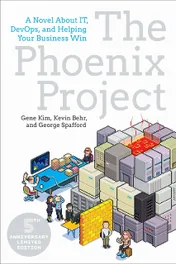
This review explores “The Phoenix Project,” an engaging novel about IT transformation. Follow Bill, the newly appointed IT head, as he tackles familiar challenges: missed deadlines, problematic deployments, and interdepartmental blame. With just 90 days to save his department from outsourcing, Bill must transform a traditional IT operation into an agile DevOps team – a journey that offers valuable insights for modern businesses.
* Disclosure: I love sharing my favorite books with you! As an Amazon Associate, I earn a small commission from purchases you make through my links, which helps me continue creating content you enjoy.